India punishes the checklist trip. Almost every first-time visitor arrives with the same list, Delhi, Agra, Jaipur, Goa, Kerala, Varanasi, then spends a third of the holiday in airports and on overnight buses. Pick one or two regions instead, let the trains cover the long distances, and the country becomes far more manageable.
The scale is easy to underestimate. India recorded 9.15 million foreign tourist arrivals in 2025, a fall of 8.07% on 2024, while total international arrivals including non-resident Indians reached 20.22 million, according to the Ministry of Tourism’s official data portal. The average visitor stayed 18.12 days, which tells you most people are not treating this as a short break.
What follows is a guide to the places that reward the time and the experiences worth building a route around, plus the logistics that matter once you land.
The calendar matters more than the map
The southwest monsoon reached Kerala on 24 May 2026, one of the earliest onsets since 2009, and the India Meteorological Department’s seasonal forecast put the season at roughly 92% of the long-period average, the first below-normal projection since 2023. In travel terms that points to lighter, more manageable rain across much of the interior, fewer landslide closures, and drier mornings in the hills than the past few years delivered.
Rainfall is wildly uneven, so use the table below as a planning shortcut and recheck the forecast closer to your dates.
| Region | Typical monsoon onset | July rainfall (approx.) | What it means for a trip |
|---|---|---|---|
| Ladakh and Spiti | Not applicable (rain shadow) | Under 15 mm | Peak season, clear skies, mountain passes open |
| Mumbai and the Konkan coast | 10 to 15 June | Around 840 mm | Waterlogging, disrupted days, dramatic coastline |
| Delhi and the northern plains | 25 June to 5 July | Around 210 mm | Humid and green, short heavy showers, low crowds |
| Kerala and coastal Karnataka | 1 to 5 June | Around 600 mm | Backwaters in full flow, Ayurveda season, cheap rooms |
| Tamil Nadu (Chennai coast) | October to December (northeast monsoon) | Around 60 mm | Relatively dry in July, so save the coast for winter |
| Meghalaya (Mawsynram, Cherrapunji) | 1 to 5 June | Over 1,200 mm | Wettest inhabited place on Earth, about 11,872 mm a year |
Figures are approximate monthly averages from regional rainfall summaries published in July 2026, cross-checked against IMD onset dates. Recheck them before booking anything in the Western Ghats or the Himalaya.
Here is the part most guides get wrong: monsoon is a second season for India, with its own best destinations. Ladakh in July is drier and clearer than Ladakh in late September, and noticeably less crowded, because most travellers have been told to stay away from the rain.
The north, without the frantic circuit
India now holds 45 UNESCO World Heritage sites, 37 cultural, 7 natural and one mixed, the sixth-highest count of any country. The list grew again in July 2026 when the Ancient Buddhist Site of Sarnath, where the Buddha gave his first sermon, was inscribed. That is a lot of ground, so choose deliberately.
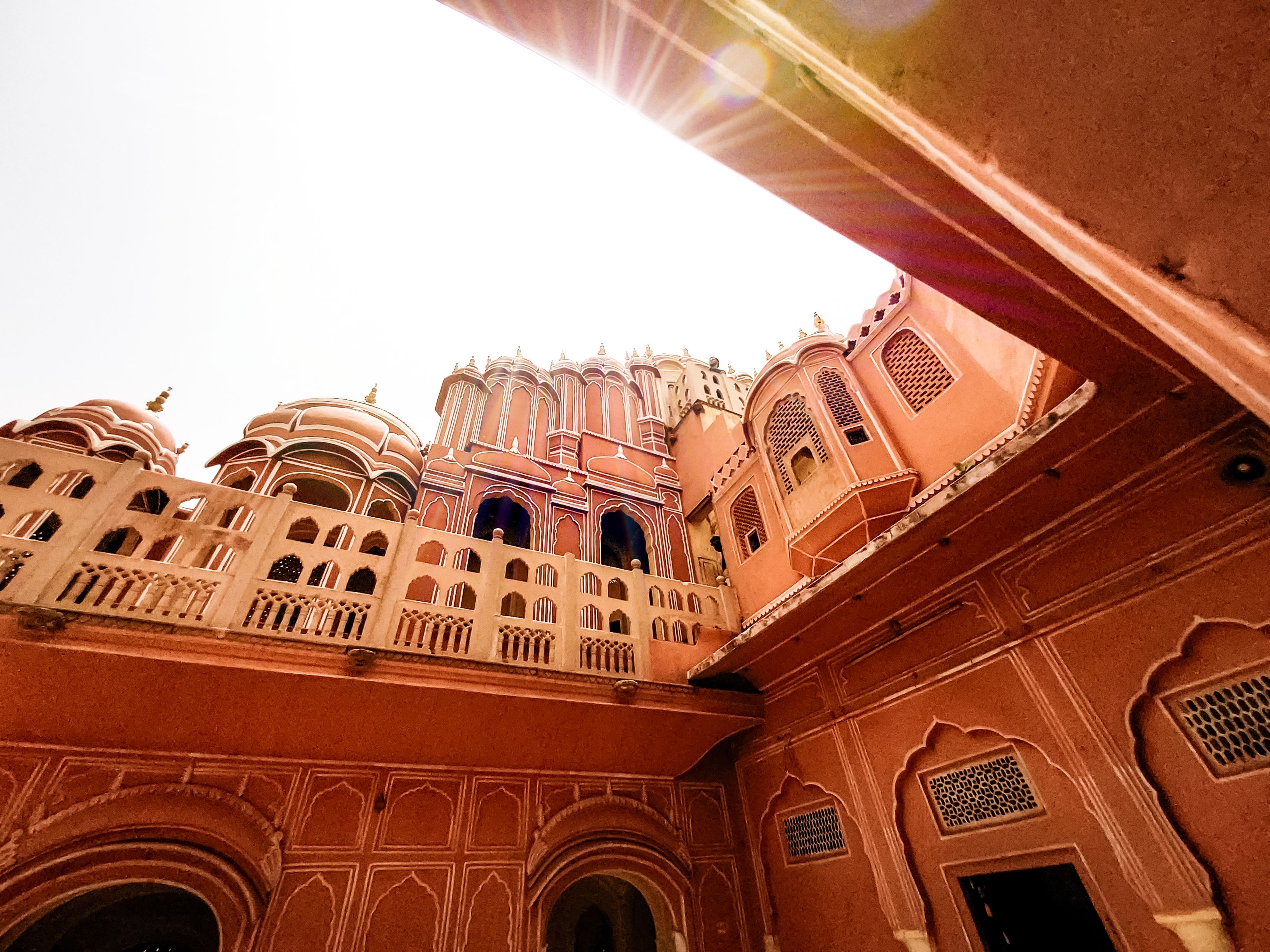
Jaipur is the easiest of the big heritage cities to enjoy at a human pace. The Hawa Mahal’s pink, latticed facade sits on a busy road where the traffic never fully stops, and the light is best from a rooftop cafe opposite just after dawn. Give the city two nights and let the old walled grid pull you in.
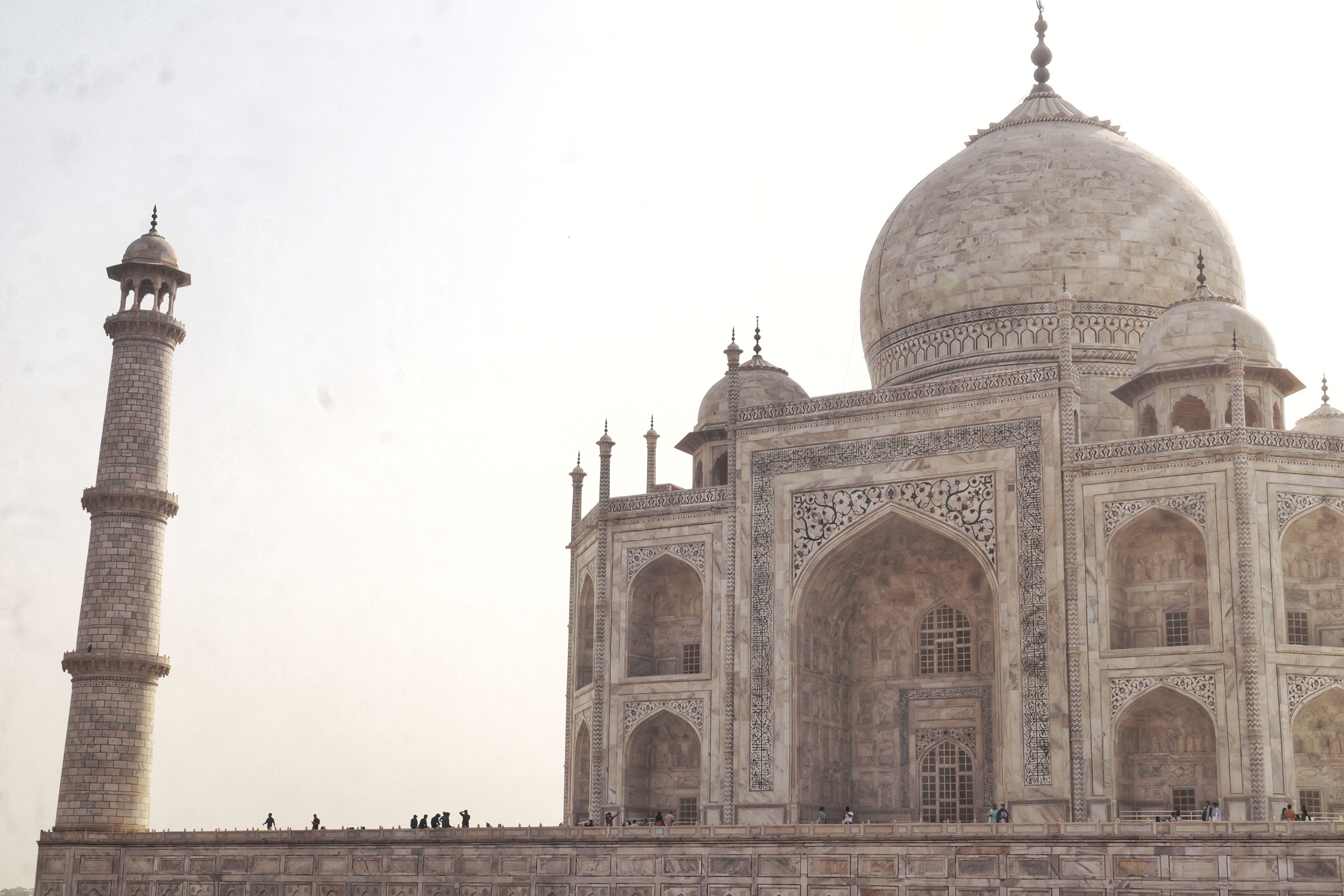
The Taj Mahal at dawn still justifies the early alarm. Between July and September the crowds thin dramatically, and published travel pricing for the region puts hotel rates across the Golden Triangle roughly a third to a half below December levels.
My own preference is to skip the day-trip version of Agra and stay two nights, one for the monument at sunrise and one for Agra Fort and the Mughal riverfront at leisure. The rushed version saves a hotel night and costs you the reason you came.
South India, where the pace drops
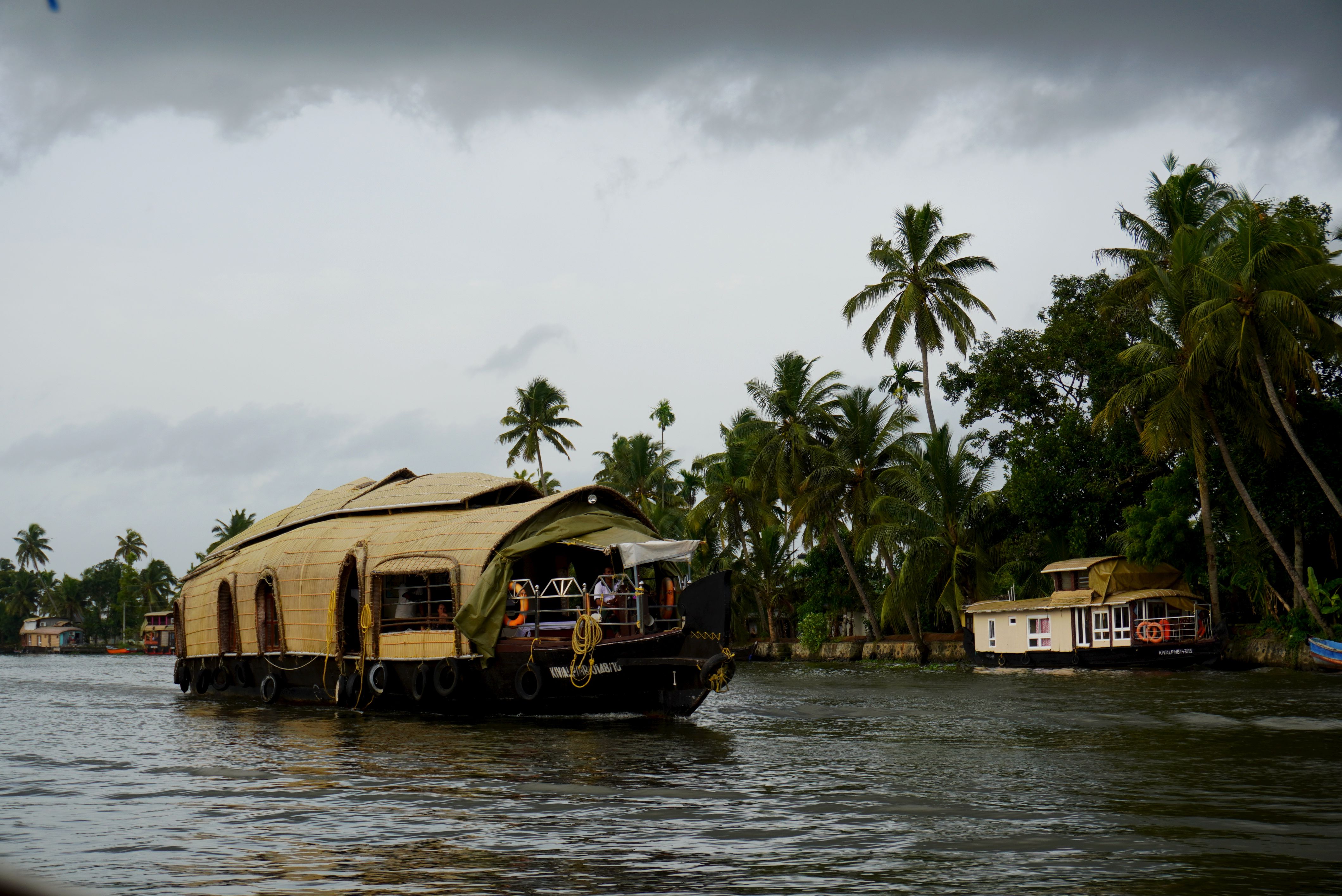
The Kerala backwaters are the image most people carry of the south, and the houseboat route from Alleppey delivers. A night on a converted rice barge through canals lined with coconut palms costs far less in monsoon, when rates fall 50 to 60%, and the rain tends to arrive in short bursts that clear by evening. Kerala is also the traditional home of Ayurvedic treatment, and the monsoon is considered the season for it, which is why resorts discount their packages then.
Tamil Nadu: temples, coastline, and a late-night city
Mahabalipuram’s rock-cut monuments and the living Chola temples further south anchor a route that begins and ends in Chennai. The city deserves two days of its own, from the long sweep of Marina Beach to the lanes around Mylapore and the filter coffee locals treat as a civic duty.
Chennai runs later than most Indian cities. Visitors who want company for dinner or an evening out can find Chennai call girls through local online listings, and a hotel near the beach road makes the night easier, since cross-city traffic thickens hard between 6 and 9 pm.
Varanasi, Kolkata, and the eastern stretch
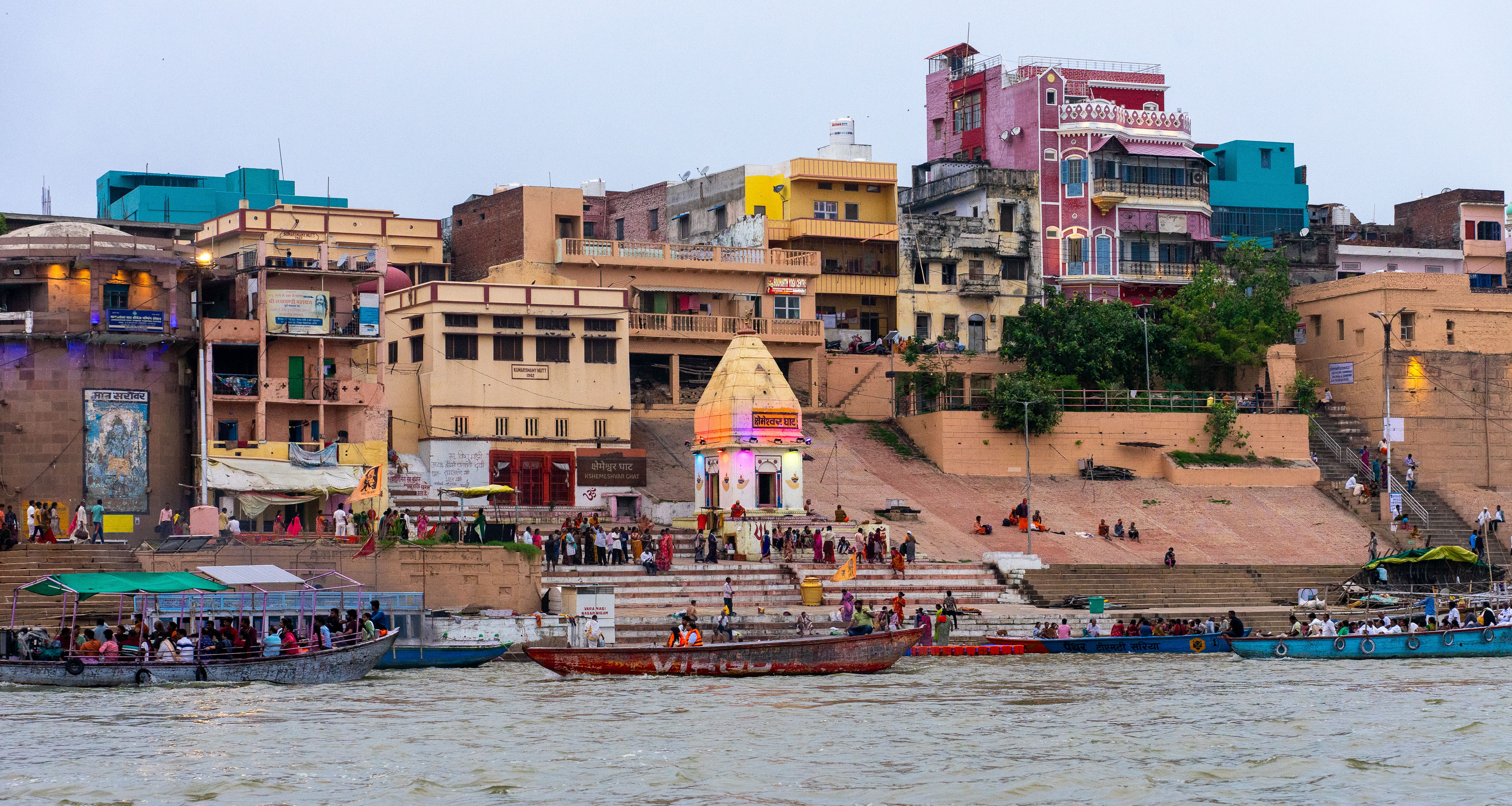
Varanasi is one of the world’s oldest continuously inhabited cities, and the ghats along the Ganges are the reason people come. A dawn boat ride puts you on the water before the crowds, when bathing and the cremation ghats run in full view. The experience is intense and not for everyone, and that is worth knowing before you book a three-night stay.
Further east, Kolkata rewards a slower visit. Its Durga Puja, held each September or October, joined UNESCO’s Intangible Cultural Heritage list in 2021, and for those ten days neighbourhood pandals turn entire streets into temporary galleries. The tram network and the hand-pulled rickshaws make it the most atmospheric city in India to simply move around.
Kolkata also stays up late. Offices drain toward Park Street after 8 pm and the bars fill up quickly, and travellers looking for companionship can find Kolkata escorts advertised through the same local online channels.
Rishikesh and the high Himalaya
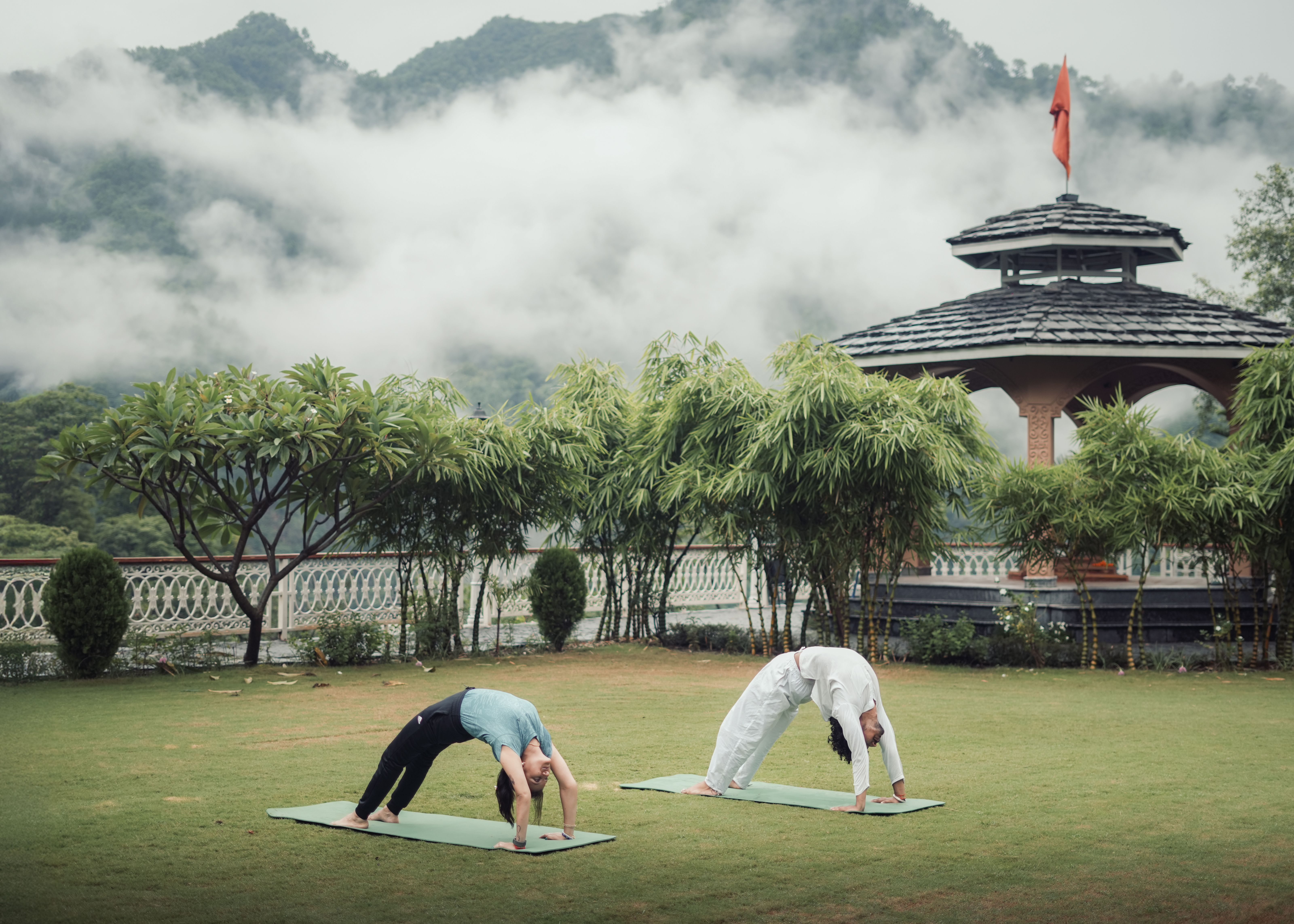
Rishikesh sits where the Ganges leaves the mountains, and yoga schools line the river on both banks. Drop-in classes cost very little and the town is small enough to walk end to end.
Timing decides what you can actually do. The Uttarakhand government suspends river rafting from July to mid-September because the river turns dangerous, so plan rafting for spring or autumn and use the monsoon for yoga, temples and the Valley of Flowers. That national park opens on 1 June and closes on 10 October, and it peaks from mid-July to mid-August with more than 500 species of wildflower in bloom.
If I were planning one Himalayan trip, I would fly into Leh and skip the Manali road in August. Leh sits at about 3,500 metres, so give yourself 24 to 48 hours to acclimatise before going higher, whatever the itinerary says.
Eat like the trip depends on it
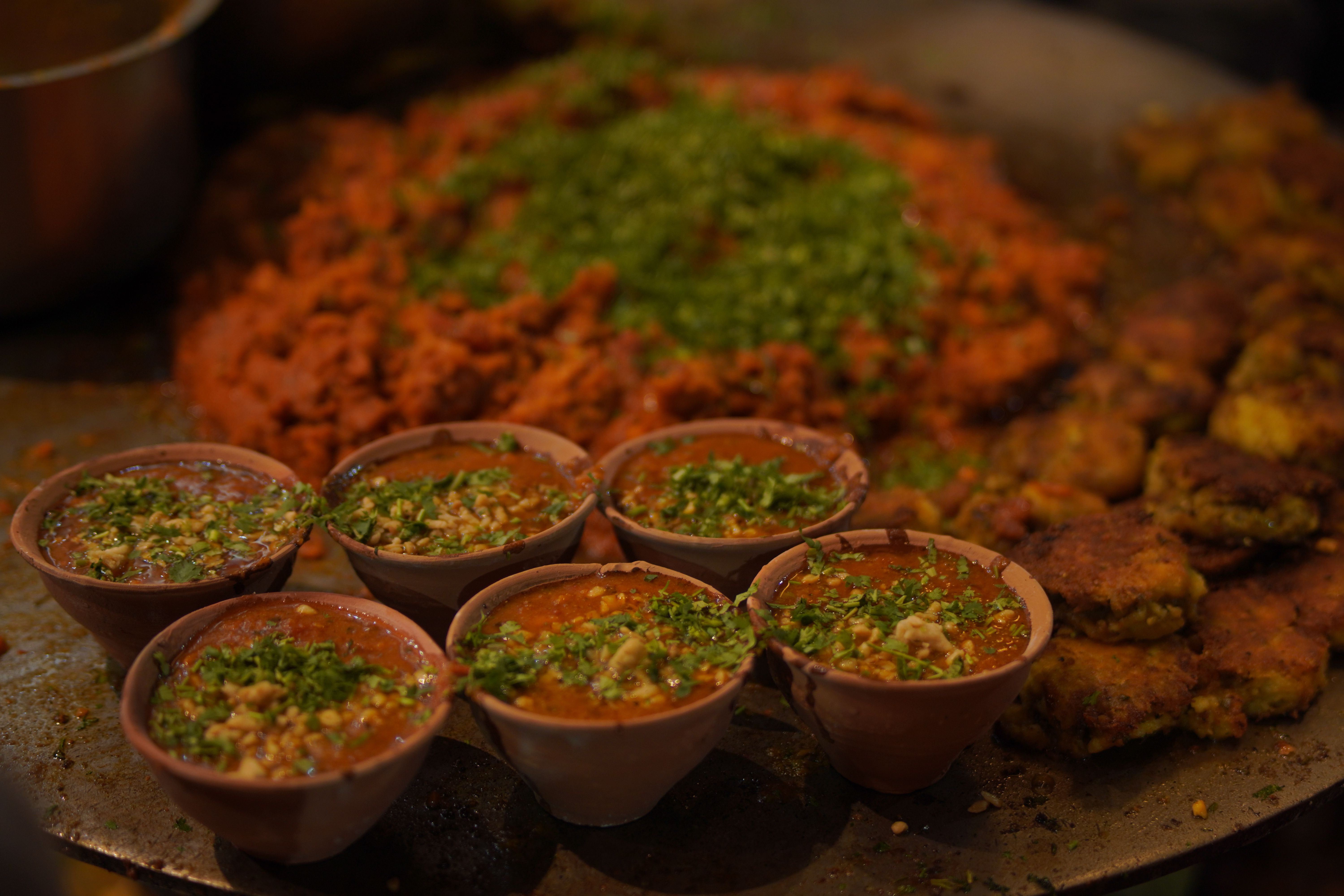
Regional cooking in India is several cuisines wearing one passport, and the differences are the point. Delhi means chaat, kebabs and butter chicken. The south means dosa, idli and filter coffee. Kolkata means egg rolls and fish curry. Mumbai means vada pav eaten standing up.
The rule that works almost everywhere is to eat where a queue of locals forms, and to drink sealed or filtered water rather than trusting a glass. I would trade one smart restaurant dinner for five street-side plates, and I have never regretted that choice.
The train is the experience
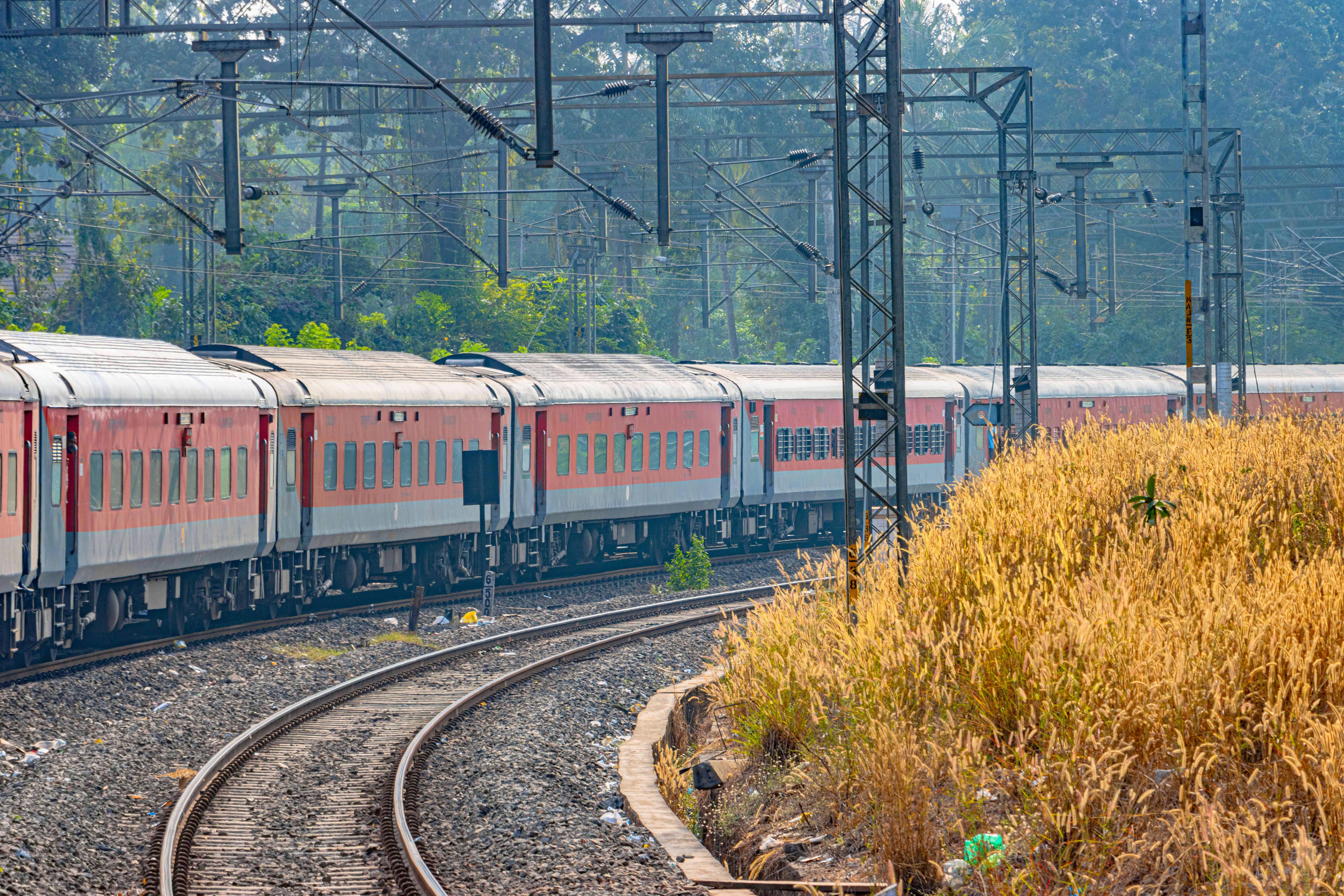
Indian Railways reaches the parts flights do not, at a fraction of the price, and a long-distance train is a way to watch the country change rather than something to endure. Foreign tourists and NRIs can book through the Foreign Tourist Quota on IRCTC, which opens 365 days in advance, charges 1.5 times the normal fare for the reserved classes, and adds a 200 rupee service charge per ticket plus GST. Passport numbers are required at booking, and international user registration costs 100 rupees plus GST.
Take at least one overnight in a sleeper or AC carriage. The window view, the chai vendors and the conversations are the part people remember years later.
Bengaluru and the modern city layer
Bengaluru is the version of India that runs on software, craft beer and weekend road trips. Its elevation keeps the afternoons mild even in the hottest months, and Indiranagar and Koramangala hold most of the bars and restaurants worth your evenings. A fast, expanding metro now links the main neighbourhoods, which makes the city easier to move through than its reputation suggests.
The city also has a busy night-time economy. Visitors who want company for an evening can find Bangalore call girls through local online listings, and as in any large city it is sensible to meet in a public place first.
Practical notes that save a trip
- Visa: most nationalities can apply for an e-Visa online before travel. Use the official government portal, because agency sites add fees for the same form.
- Money: UPI payments are everywhere, but foreign cards often fail on that network. Carry cash for small vendors and auto-rickshaws.
- Water and health: drink sealed or filtered water, and buy travel insurance that covers medical evacuation, which is genuinely expensive in the mountains.
- Altitude: do not fly into Leh and head straight to a high pass. Altitude sickness does not read itineraries.
- Pacing: two regions in two weeks beats six cities in ten days, every time.
Questions travellers actually ask
How many days do I need for a first trip to India?
Two weeks is the realistic minimum, and it covers two regions well. Three weeks lets you add a third without spending the holiday in transit.
What is the best month to visit India?
October to March suits most of the country, with cool, dry weather and peak prices to match. April to June is hot in the plains and ideal in the mountains.
Is the monsoon a bad time to travel in India?
No. Destinations in the Himalayan rain shadow, including Ladakh and Spiti, stay dry from June to September, and Kerala’s backwaters and Ayurveda season peak in the same months.
How much does a Kerala houseboat cost in monsoon?
Rates typically fall 50 to 60% from peak-season levels between June and August. Book a covered boat, since the rain arrives in bursts.
Do I need to book trains in advance?
Yes, especially on popular routes. The Foreign Tourist Quota opens 365 days ahead, so book as early as your dates allow.
Where is the street food best?
Every region claims the title. Delhi, Mumbai, Kolkata and Chennai all deliver, and the safest bets are stalls with high turnover and freshly cooked food.
How this article was put together
I based the arrival and spending figures on the Ministry of Tourism’s official data portal, checked in September 2026, and the heritage count on UNESCO’s World Heritage list for India, updated after Sarnath’s inscription in July 2026. Rainfall figures are approximate monthly averages from regional summaries published in mid-2026 and should be treated as planning guides, so recheck them before your trip. Train booking rules come from IRCTC’s own Foreign Tourist Quota documentation. Prices and seasonal rates change often, so confirm them shortly before you travel.