
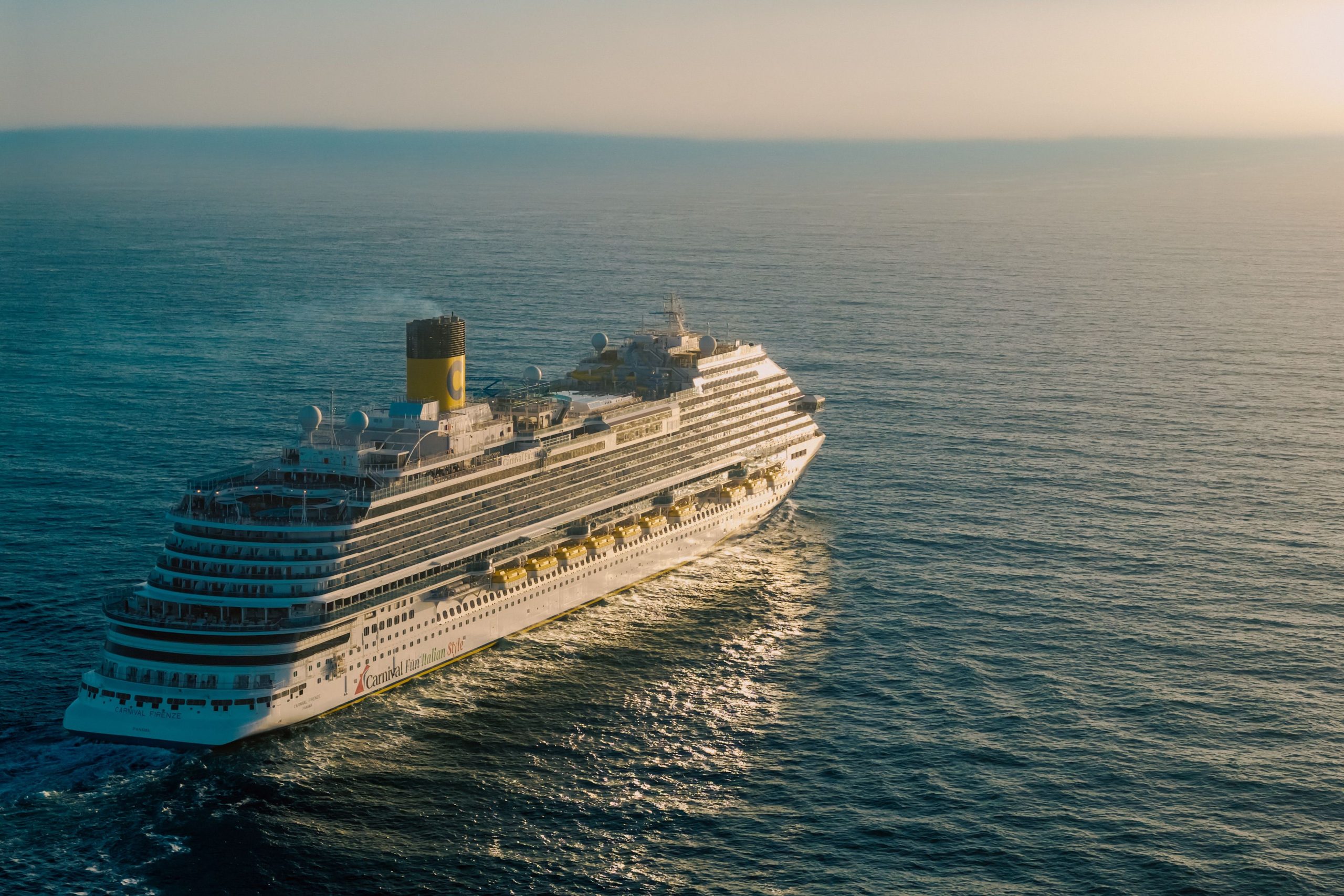
Fall is the cruise calendar’s quiet argument. The Mediterranean is winding down, the Caribbean is still inside hurricane season, and most families are back in school. Those three facts are exactly why the window works. Global cruise passenger volume reached a record 37.3 million in 2025, and the Cruise Lines International Association forecasts 38.3 million for 2026, so the ships are full for a reason.
My read: October 2026 is the best Caribbean value window in several years, because the storm math has moved in the traveler’s favor. The Mediterranean still wins on culture, food and sheer variety. Its catch this year has nothing to do with weather.
Fall 2026 at a glance: four routes, one table
Each fall sailing trades four things: the window you can travel, the weather risk you accept, the discount you actually get, and the cost of a changed plan. Here is how the main options compare.
| Route | Sail window | Typical length | The fall angle | What can go wrong |
|---|---|---|---|---|
| Western Mediterranean (Barcelona, Rome, Marseille) | Late September to early November | 7 to 12 nights | Shoulder fares sit well below the July and August peak, and the sea stays warm into October | Late-October rain in the eastern basin; some lines finish European sailings in early November |
| Greek Isles | May, June and September | 7 nights | The €20 peak landing levy drops to €12 in October | Santorini slots are rationed, and scheduled calls fell about 18 percent for 2026 |
| Caribbean | October through early December | 6 to 8 nights | October fares track below September on published fare trackers | Hurricane season runs through November 30, and the eastern islands carry the most risk |
| New England and Canada | Late September to late October | 7 to 10 nights | Fall is the product, so you pay for the season instead of discounting it | A short window and a full repositioning once the leaves drop |
| Transatlantic repositioning | October and November | 12 to 16 nights | The lowest per-night cost on the annual calendar | One-way airfare and long stretches at sea |
Sources: Santorini call volumes and the Greek landing levy come from the Municipal Port Fund of Thira’s 2025-2026 berthing policy and trade reporting dated June 2026. Fare cells reflect published 2026 trackers and describe trends, not quotes.
The Caribbean’s hurricane warning looks milder than usual this year
The standard advice says to avoid the Caribbean from June through November. For 2026, the forecast complicates that rule. NOAA’s August 6 update kept the Atlantic season in below-normal territory, with a 75 percent probability of below-normal activity, 7 to 13 named storms, 2 to 6 hurricanes, and 0 to 2 major hurricanes. A typical season produces 14 named storms, seven hurricanes and three major ones.
The driver is El Niño. Forecasters expect a strong event through the peak months, and El Niño raises wind shear across the Atlantic, which works against storm formation. By early August the season had produced two named storms, Arthur and Bertha, and no hurricanes at all.
That is a forecast for overall activity, not a landfall prediction, and NOAA says so directly. Landfall depends on weather patterns that are only predictable about a week out. A quiet season can still put one storm on your island during your week. The forecast lowers the odds rather than clearing the board.
My take: the discount plus the forecast makes fall a reasonable bet, provided you choose the right route. Southern Caribbean itineraries that include Aruba, Bonaire and Curaçao sit on the southern fringe of the hurricane belt and have historically taken fewer direct hits. The Eastern Caribbean, with Barbados, St. Lucia and Martinique, carries more risk. Pick an itinerary where a substituted port counts as a minor annoyance.
New ships strengthen the case. Royal Caribbean’s Legend of the Seas, the third Icon-class vessel, was delivered on June 10, 2026, at more than 248,000 gross tons and capacity for up to 7,600 guests. It repositions to Fort Lauderdale for a three-night CocoCay sailing on November 8 and an inaugural voyage on November 11, then settles into six-night Western Caribbean and eight-night Southern Caribbean itineraries. Every sailing calls at Perfect Day at CocoCay. Retired Air Force General Lori J. Robinson will serve as godmother at the November 11 naming ceremony.
The Mediterranean’s real bottleneck is Santorini’s slot system
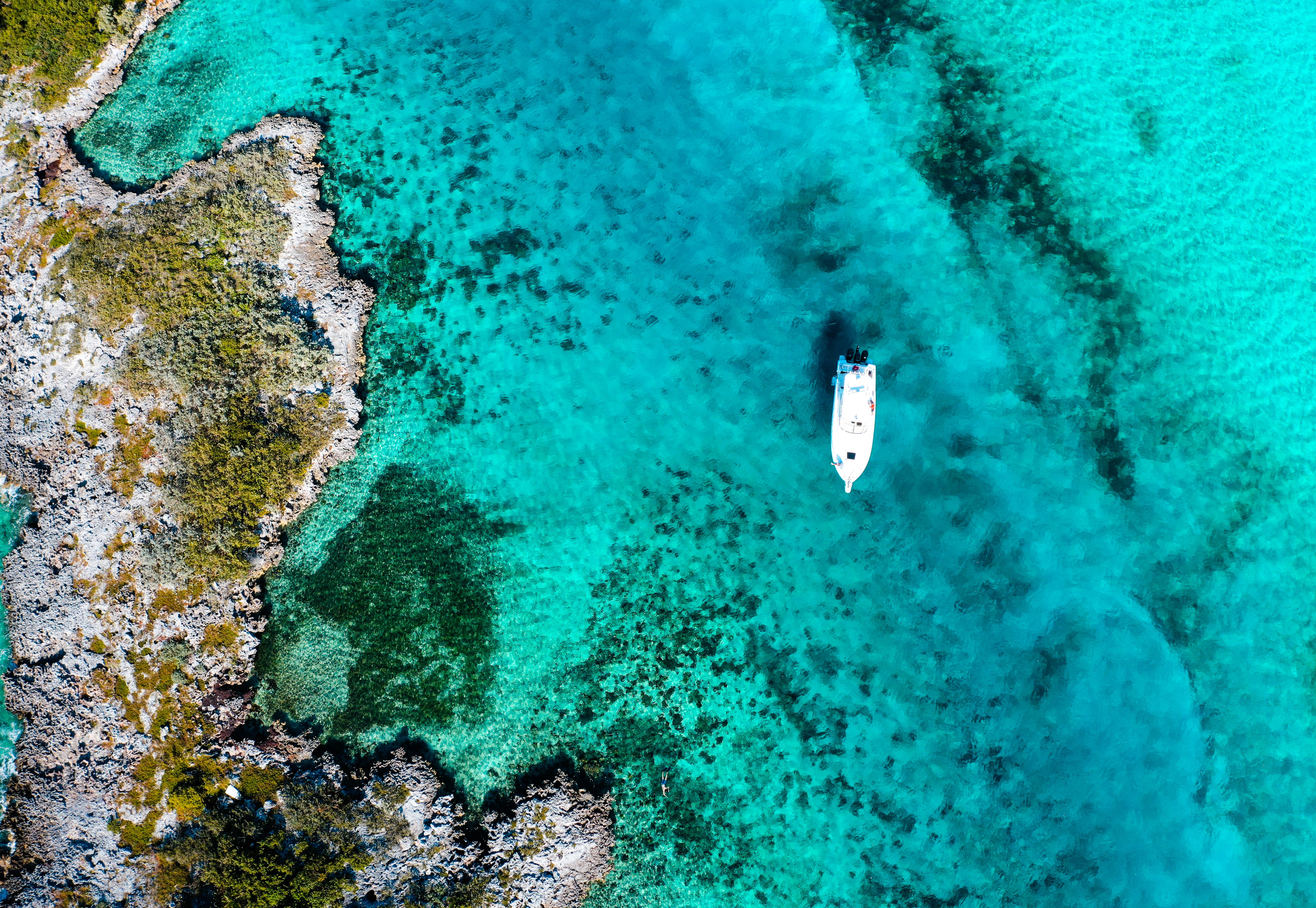
Santorini spent years taking more cruise passengers than its roads, cable car and cliff paths could absorb. Daily volumes reached 11,000 to 17,000 on the worst days before the rules changed. The island now caps cruise passengers at 8,000 a day, and for 2026 the port counts each ship at 100 percent of capacity rather than the 80 percent used in 2025. A 3,000-berth ship that once consumed 2,400 daily slots now consumes 3,000.
The arithmetic pushed ships out. The Municipal Port Fund of Thira’s berth allocation system lists 595 scheduled calls for 2026 against 728 in 2025, a fall of about 18 percent. Slots go through a ranking algorithm that weighs how often a line calls, how long it stays, whether it sails in the quiet months, its cancellation record, and how early it applied. On an oversubscribed day, the biggest ship is the easiest call to cut, since removing it frees the most room.
Greece adds a landing fee on top. The tiered levy charges €20 per passenger at Santorini and Mykonos from June 1 to September 30, €12 in April, May and October, and €4 from November through March, with lower rates at other islands. Trade reporting notes the levy alone struggled on Mykonos, where volumes rose 16 to 17 percent despite the charge. Santorini pairs the levy with the cap, and its call count fell.
The friction is not theoretical. On June 22, 2026, a dispute over a new 70-30 disembarkation rule, which requires 70 percent of passengers to come ashore at the Old Port and 30 percent at Athinios, triggered a strike by bus and tourism operators. Three ships cancelled their calls that day, including MSC Sinfonia and Norwegian Pearl, and roughly 8,500 passengers lost their port.
If Santorini is the reason for the trip, treat the call as provisional until the tender drops. A smaller ship is likelier to keep its slot. A two-night land stay on the island removes the gamble entirely. For everyone else, the rest of the Cyclades and the Adriatic take the overflow well, and both are quieter than the postcard suggests.
When to sail the Mediterranean, month by month
The Mediterranean season runs from roughly April to November, and luxury lines have stretched European programs later into the fall to chase shoulder-season demand. Virtuoso named the Mediterranean one of its 2026 Cruise Icons, citing longer sailings that pair major ports with smaller coastal towns and more overnight stays. Timing still decides the quality of the trip.
- September. The best all-round month. The sea stays warm enough to swim, the summer crowds thin, and the grape harvest runs through Italy, France and Greece.
- October. Strong in the western basin, where Barcelona, the French Riviera and Italy hold mild days into the second half. The eastern basin turns wetter late in the month, and the Greek levy drops to €12.
- November. A thin schedule at low prices. Several lines have already left the region, so choice narrows sharply. When the itinerary fits, the value is genuine.
Air access shapes the fall calendar more than most travelers expect. Long-haul demand from markets such as India keeps European sailings full through the shoulder, and a routing through Delhi can beat a September departure on price while adding a night in the city. That stopover becomes its own small trip, and the nightlife behind Delhi escorts is part of what a long layover unlocks. Book air and cabin together once the itinerary is confirmed, because fall fares move on both sides.
The fall cruise that needs no defending: New England and Canada
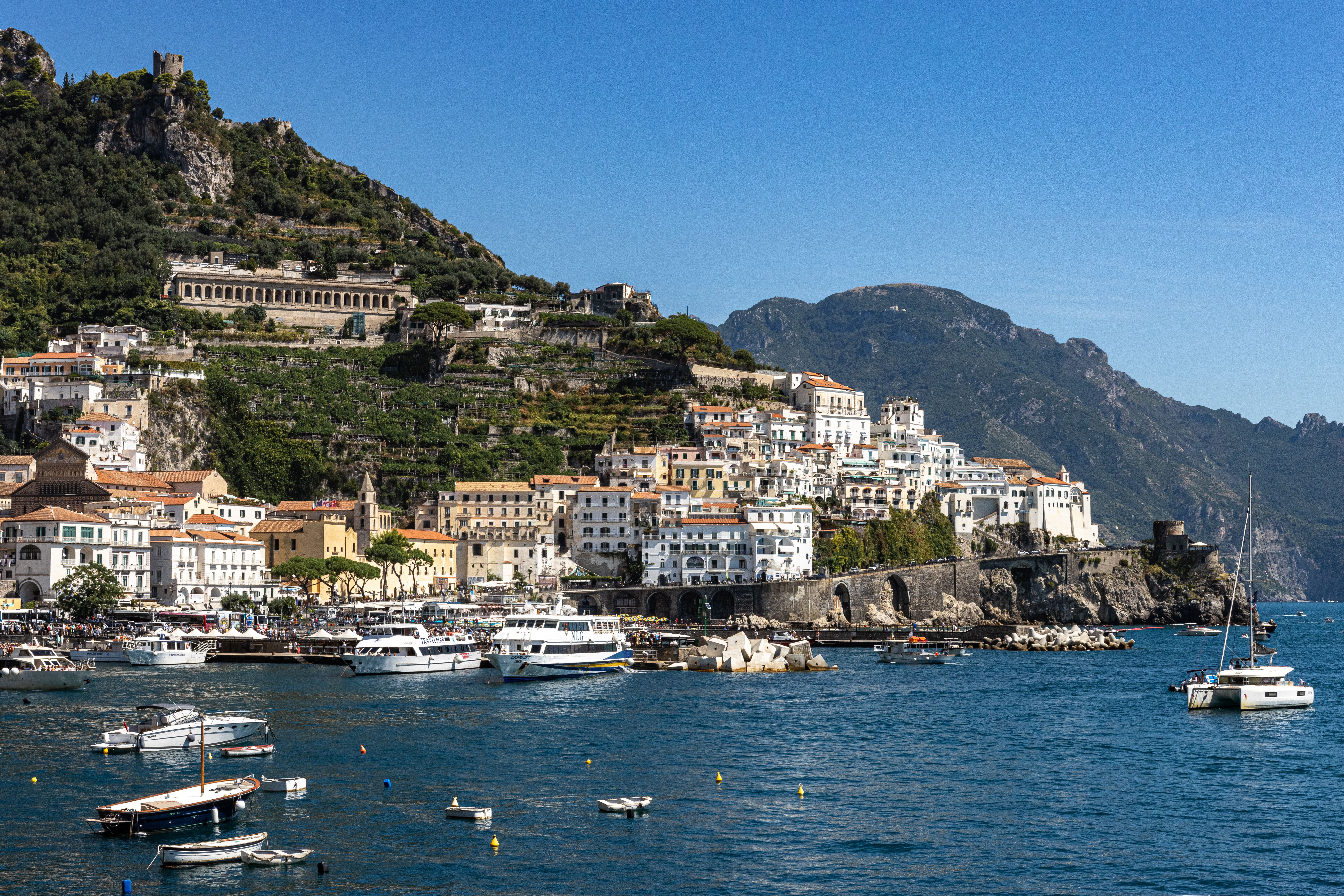
Most fall cruises ask you to compromise. New England and Canada is the exception. Sailings from Boston, New York or Montreal call at Portland, Halifax, Saint John and ports along the Gulf of Saint Lawrence, and the foliage is the whole point. The window is short, typically late September into late October, and the ships reposition once the leaves drop.
CLIA’s 2026 report shows the North American West Coast grew 18 percent in 2025 while Alaska held flat at just over 1.7 million passengers. The foliage route feeds the same appetite for scenery without the flight to Alaska. The trade is warmth. Pack for genuine autumn weather, layers and a rain shell, and you will enjoy it more than the passengers in shorts.
Tropical escapes that skip the Caribbean entirely
Tropical travel does not have to mean the Atlantic basin.
- Bahamas short sailings. Three- and four-night departures from Florida reach the private islands, including Perfect Day at CocoCay, and they are the most forgiving last-minute booking on the calendar.
- Mexican Riviera. Pacific coast departures from Los Angeles and San Diego avoid the Atlantic entirely. West Coast volume grew 18 percent in 2025, so the infrastructure is keeping pace with demand.
- Hawaii. Year-round inter-island sailings ignore the fall discount cycle, because demand here does not follow the school calendar.
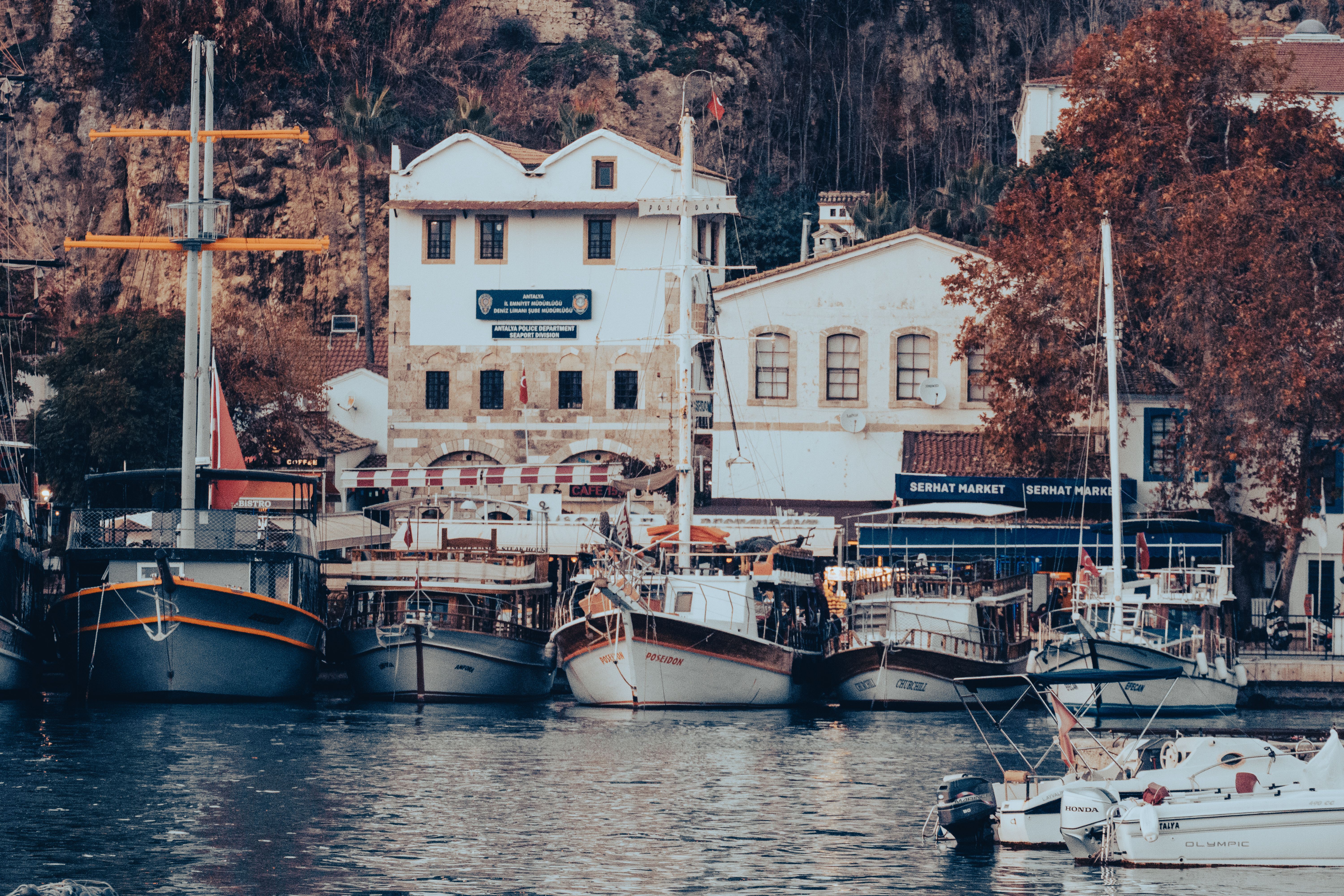
- French Polynesia and the South Pacific. Small-ship and expedition operators run these routes year-round, and fall overlaps the drier stretch for several island groups.
- Western Australia and the Indian Ocean. Fremantle, the port for Perth, is a launch point for Indian Ocean itineraries that dodge Atlantic storm season completely. The city leans into pre-cruise stays, and the directory at Perth escorts speaks to how much nightlife the port city carries.
The booking playbook for a fall sailing
- Book early for peak dates, late for short runs. Six to twelve months out protects cabin choice on Mediterranean and Greek itineraries. Three- to five-night Caribbean trips often release their best rates 30 to 60 days before departure.
- Buy insurance before you need it. A policy with trip interruption and weather coverage turns a rerouted cruise into an inconvenience. No Caribbean itinerary is completely immune to weather changes, whatever the seasonal forecast says.
- Fly in a day early. A pre-cruise hotel night costs less than missing the ship. The same logic holds for a no-fly departure from a UK port. If you stage the night in Birmingham, the Birmingham escorts listings will still be there after check-in, and the flight remains the real risk.
- Read the ticket contract. Rules on substituted ports and compensation vary by line, and the contract is what governs when a storm moves the ship.
- Compare the full cost. Drinks, Wi-Fi, specialty dining and excursions change the ranking between a low fare and an inclusive one. The cheaper headline often finishes more expensive.
- Reserve key excursions first. Catamaran, snorkel and foliage tours on fall sailings still fill, especially on the private islands.
The case against a fall cruise, taken seriously
The strongest argument against sailing in fall is not the forecast. It is the contract. Cruise lines can change itineraries for safety, and compensation for a swapped port ranges from an onboard credit to nothing, depending on the line and the reason. A below-normal season still leaves a chance that your week is the exception.
There is a second argument. Fall discounts exist because demand drops, and demand drops partly because the product gets less predictable. Late-October rain in the eastern Mediterranean is real. The New England foliage window can shift by a week in either direction. Santorini’s congestion has not vanished for overnight visitors either, since the 8,000 cap applies to cruise passengers while ferry and air arrivals stay uncapped.
I still choose the fall. The alignment in 2026 is unusual: a below-normal storm forecast, shoulder pricing, and a fresh crop of ships. The price of that bet is flexibility. Book refundable flights, insure the trip, and pick an itinerary where one changed port becomes a story instead of a disaster.
Fall 2026 cruise questions, answered
Is the Mediterranean still worth a fall cruise?
Yes. September is the best single month for weather and value, and October holds up well in the western basin. The schedule thins noticeably in November.
Is it safe to cruise the Caribbean in October 2026?
The forecast points that way. NOAA’s August update put the season at a 75 percent chance of below-normal activity, with 0 to 2 major hurricanes. Seasonal forecasts cannot predict landfalls, so keep the flexibility.
What happens if Santorini is full?
Your ship may not call at all. The island caps cruise passengers at 8,000 a day, and scheduled calls for 2026 fell about 18 percent. Smaller ships are likelier to keep their slot, and the rest of the Cyclades plus the Adriatic work as substitutes.
When should I book a fall 2026 cruise?
Six to twelve months ahead for Mediterranean and Greek itineraries. Short Bahamas and Caribbean runs can reward booking 30 to 60 days out.
What is the cheapest fall cruise route?
Transatlantic repositioning sailings carry the lowest per-night cost, since the ship has to cross anyway. You pay with one-way airfare and long stretches at sea.
Do I need travel insurance for a fall cruise?
It is the best purchase on the list. Choose a policy with trip interruption, weather and medical coverage, and buy it soon after the first deposit, since some policies tie waiver eligibility to purchase timing.
How this article was put together. I compared the main fall routes against NOAA’s 2026 Atlantic hurricane outlook, checked on August 6, 2026, CLIA’s 2026 State of the Cruise Industry report, released in April 2026, and the Municipal Port Fund of Thira’s 2025-2026 berthing policy for Santorini. The Greek landing levy and call figures come from the port policy and trade reporting dated June 2026. Fare and pricing signals in the table reflect published 2026 trackers and describe trends rather than quotes. Hurricane forecasts cannot predict landfalls, so read the Caribbean section as odds rather than guarantees. Recheck the Santorini rules and levy amounts before booking a late-2026 sailing.